
By Dr. Sandy Carman

What we eat can contribute heavily to our physical and mental well-being. Part of that, is the function of our eyes and maintaining healthy vision later into life. As the holidays approach and waistlines potentially expand, it’s important that we do not lose sight of our nutritional health and how it can contribute to our vision. We’ll cover the nutrients that play a significant role in eyesight and in many cases prevent or slow the progression of age related eye diseases like age-related macular degeneration and cataracts. Finally, at the end of this article, we will provide you with eye healthy recipes that focus on providing you and your family with plenty of those essential nutrients.
This fat soluble vitamin helps with many functions in the body including growth and development, the immune system, and finally with vision. Vitamin A does so by helping the eye to retain moisture. An eye that cannot maintain moisture will become dry and if this continues can lead to serious conditions if the cornea becomes damaged. Vitamin A can also help the body produce rhodopsin, which is a light-sensitive protein that assists the retina in producing the images we see.
While many animals create their own vitamin C, we rely on our diet to provide the vitamin C necessary to keep us going. Vitamin C is vital to tissue growth and development. It also helps repair and maintain the cartilage of our body as well as our bones and teeth. It’s also been found in studies to prevent or slow the progression of age-related macular degeneration (AMD).
Similar to vitamin C, vitamin E has been found to help prevent eye diseases like AMD as you get older and has great antioxidant properties.
Lutein and zeaxanthin are carotenoids produced in many plants as pigments. They act as antioxidants in the human body which help protect the body from free radicals. Additionally, they accumulate in the retina of the eye to help protect the eye. Similarly to vitamins E and C, they have been found to slow the progression of eye diseases like AMD.
Zinc is a mineral that helps transport vitamin A from the liver to your retina and in the production of the pigment, melanin. Together, zinc and vitamin A work to protect your retina through the creation of melanin. Those deficient in melanin may have trouble seeing in the dark or develop cataracts.
These essential fatty acids play a variety of roles in the human body. They are primarily associated with the regulation of inflammation in the body, however they are also very important to the production of tears and maintaining the outer oily layer of the eye.
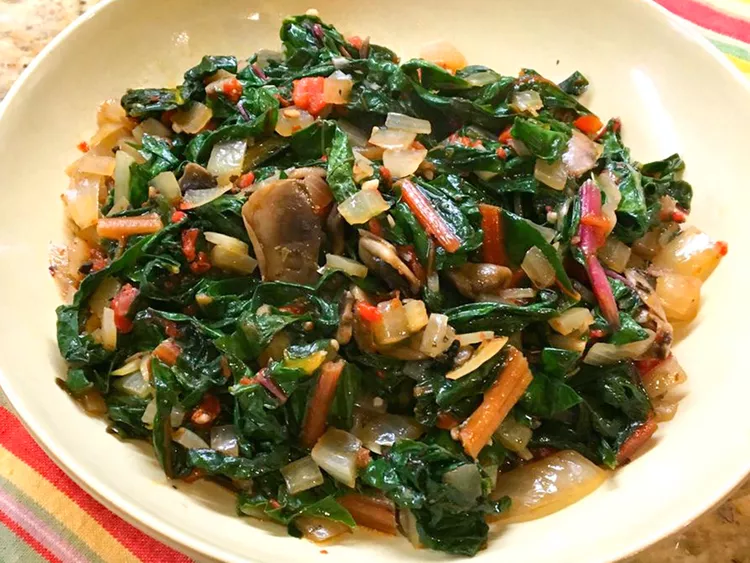
This quick side-dish is chock-full-of the essential vitamins and minerals that your eyes require to stay healthy! The olive oil provides essential fatty acids like Omega-3s and Omega-6s. Meanwhile, the swiss chard provides a plethora of nutrients like vitamin A, vitamin E, lutein, and xeazanthin. Finally the added red bell pepper is a great source of vitamin C.
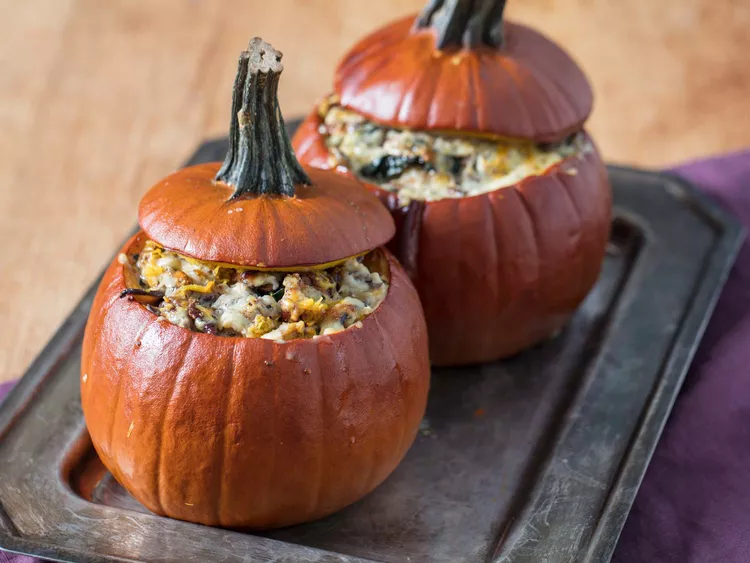
If you’re looking for a vegetarian alternative to turkey that also provides some fantastic eye health benefits this Thanksgiving, you’re in luck!
This recipe is ripe with every nutrient mentioned in this article with enough flavor for the whole family. The kale provides vitamin A, vitamin E, lutein, and xeazanthin. The pumpkin provides an additional source of vitamin C, lutein, and xeazanthin. Meanwhile, the pumpkin seeds and mushrooms provide the needed zinc to help move the vitamin A to the retina. The pumpkin seeds also provide essential fatty acids.
Finally, finish your eye-healthy Thanksgiving dinner off with a sweet treat: sweet potato casserole! Sweet potatoes are rich in carotenoids which the body can convert into vitamin A. The dairy provides an additional source of both vitamin A and zinc. Lastly, while the pecans in the original recipe can provide essential fatty acids like omega-6 fatty acids, you can get even more by substituting in walnuts.

We at Thomas Eye Group wish you and your family a happy Thanksgiving! If you or any member of your family is in need of an eye exam, please feel free to schedule an appointment below.